Top Memphis General Contractor Services for Bathroom Renovations
Tips for Choosing the Perfect General Contractor for Your Next Home Project
Picking the most suitable general contractor for a home project is a critical decision. It demands thoughtful assessment of several key elements, including expertise, certifications, and interpersonal skills. Most homeowners neglect key aspects, contributing to costly mistakes. Recognizing how to assess candidate contractors can make a significant difference. By focusing on critical standards and posing the right inquiries, a homeowner can navigate this challenging process more effectively. What measures can help secure a reliable and effective working relationship?
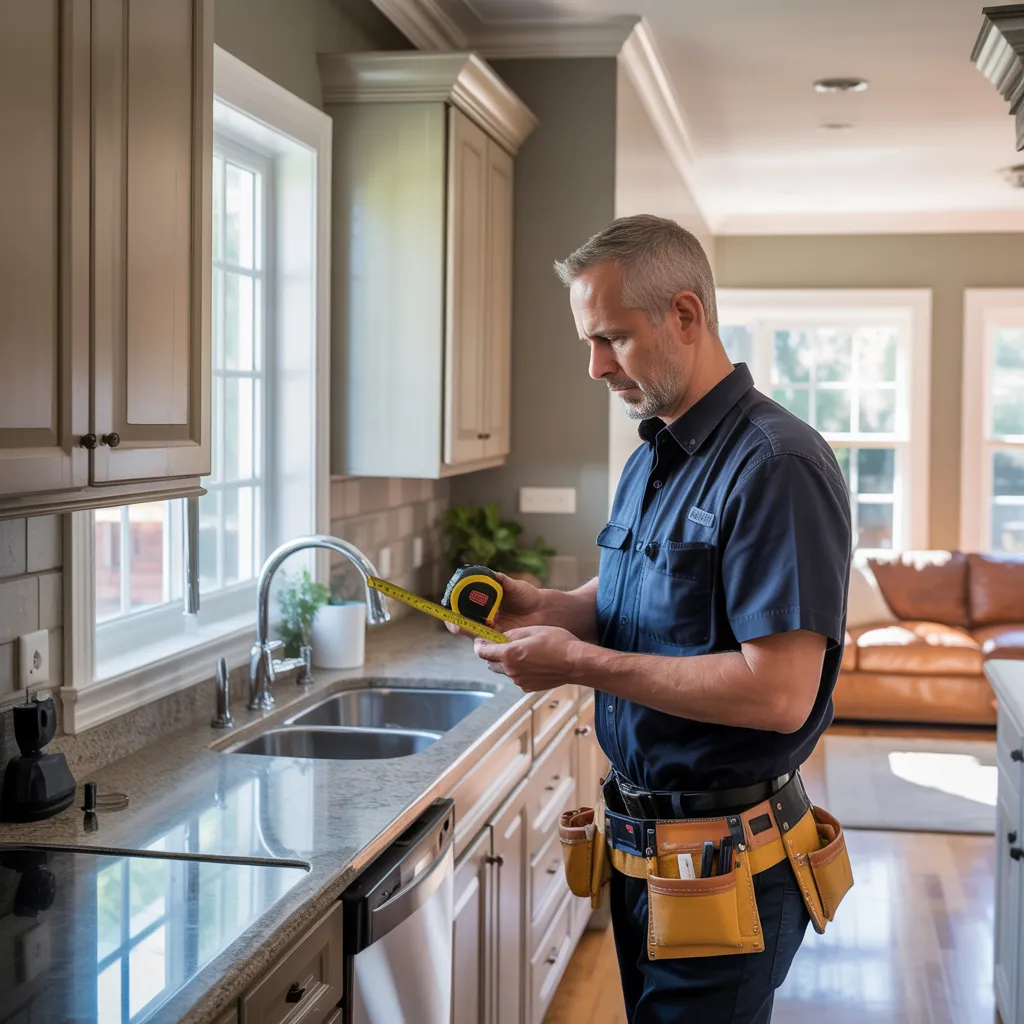
How to Prevent Common Errors When Hiring a Contractor
When choosing a construction contractor, how does one navigate the wide array of options without encountering frequent pitfalls? Potential clients often neglect key considerations that can lead to unsatisfactory outcomes. To begin, focusing only on pricing can be problematic; the cheapest quote may signify subpar quality or hidden costs. In addition, overlooking references or customer feedback can cause you to hire a contractor with a problematic background. It is equally important to avoid selecting a contractor purely on charm; a likable contractor may not demonstrate the needed competence or trustworthiness. Beyond that, failing to establish clear communication and expectations can cause disputes and frustration. To conclude, failing to carefully examine contracts prior to signing can lead to unforeseen responsibilities or insufficient safeguards. By being vigilant and informed, clients can arrive at more assured decisions, ultimately leading to a successful project.
What You Should Look For in a Contractor's Experience
When reviewing a contractor's expertise, a number of important considerations arise. Pertinent project background, field-specific credentials, and a comprehensive portfolio of finished projects act as essential measures of their abilities. Examining these factors can provide valuable insights into the contractor's suitability for the given project being considered.
Pertinent Project Experience
Understanding a contractor's pertinent project background similar article is vital for securing favorable results for any construction undertaking. Future homeowners should examine the contractor's body of work, concentrating on completed projects comparable in size and design to their own. This entails scrutinizing the level of construction quality, adherence to timelines, and fiscal responsibility in prior work. Furthermore, it is helpful to inquire about the categories of building materials utilized and the contractor's familiarity with local building codes and regulations. Reviews and recommendations from former clients can shed light on the contractor's dependability and interpersonal abilities. When all is considered, a contractor with substantial relevant experience can address difficulties with confidence, guaranteeing the work aligns with the homeowner's aspirations and criteria.
Professional Certifications And Licenses
Certification and licensing serve as key markers of a contractor's professional standing and knowledge in the construction industry. When selecting a general contractor, it is essential to verify that they maintain the necessary licenses set forth by local and state requirements. These licenses signify compliance with construction regulations and safety requirements. Additionally, industry accreditations, such as those from the National Association of Home Builders or related professional bodies, reflect a contractor's dedication to excellence and continued learning. Contractors with advanced credentials may also demonstrate skills in specific areas, such as sustainable construction or renovation. Ensuring that a contractor has the required certifications not only bolsters assurance in their competence but also limits potential legal and financial exposure during the project.
Gallery Of Finished Projects
A professional's collection of past work functions as an essential tool for evaluating their skills and expertise. This selection should display a diversity of assignments, illustrating adaptability in diverse approaches and challenges. When assessing a body of work, interested parties should seek out high-quality photographs that effectively illustrate the artistry on display. It is also helpful to view work examples that match the homeowner's particular requirements or design vision. Meticulous craftsmanship, forward-thinking approaches, and commitment to deadlines are key markers of a builder's skill. Additionally, client testimonials or case studies included in the portfolio can offer greater understanding into the professional's dedication and trustworthiness. Ultimately, a robust project collection can help homeowners arrive at well-considered choices about their upcoming projects.
How to Check Your Contractor's Credentials and Licenses
Before hiring a general contractor, it is important to confirm their credentials and licenses to validate they meet industry standards. Start by checking with local licensing boards to confirm that the contractor holds the necessary licenses for your location and project type. Each state maintains its own standards, so familiarizing yourself with these can prevent potential complications.
Additionally, find out about insurance protection, including liability and workers' compensation, to ensure safeguarding from possible accidents or damage. Seek references from former clients and check in to gauge overall satisfaction and dependability.
Lastly assess whatever certifications the contractor has obtained, as these often indicate specialized training and adherence to industry best practices. A rigorous review process not only confirms conformity but also establishes assurance in the contractor's capacity to deliver the project effectively.
Why Communication Is Critical in Your Contractor Relationship
Strong communication holds a central place in the relationship between contractors and clients, influencing the project's outcome from the very beginning. Open conversation defines expectations, schedules, and budgets, making certain that all parties share a unified vision for the project. When clients articulate their vision effectively, contractors can deliver well-considered advice and effective solutions, elevating the quality of the completed project.
Frequent updates and transparent lines of communication facilitate the rapid addressing of concerns as they emerge, reducing the likelihood of delays. Furthermore, a contractor who attends to and acts on client feedback fosters trust, which is fundamental to a successful partnership.
Moreover, proper communication is key to addressing changes and unanticipated challenges, ensuring the project stays on course. It gives the contractor the ability to adapt methods based on client guidance, guaranteeing client satisfaction at every stage. Fundamentally, placing communication at the forefront not only deepens the contractor-client relationship but also substantially aids in bringing the home project to a successful conclusion.
Essential Questions to Ask Your Contractor in Initial Meetings
During early consultations with a contractor, it is important for clients to assess the contractor's background and credentials. It is important to ask about the expected timeline and overall budget to guarantee alignment with the client's expectations. These discussions lay the basis for a productive working relationship and efficient project oversight.
Expertise and Credentials
Choosing a professional contractor is based on examining their experience and qualifications. Residents should investigate the specialist's years in the industry and the kinds of projects they have finished. Direct questions regarding certifications, licenses, and insurance are important, as these guarantee compliance with local rules and deliver security during the project. Moreover, evaluating completed projects through work samples or testimonials can shed light on the contractor's reliability and craftsmanship. It is also advantageous to determine their familiarity with similar projects, as this can signal their capability to handle unique challenges. In the end, assessing a professional's qualifications and experience instills assurance and helps homeowners reach well-considered decisions about their home projects.
Project Schedule and Budget
How can homeowners guarantee their project stays on track in terms of budget and timeline when consulting with a general contractor? To stay aligned, they should pose key questions during initial meetings. Homeowners must inquire about the anticipated timeframe for completing the work and any foreseeable obstacles that could occur. Understanding the contractor's approach to managing schedules is vital. Additionally, discussing the budget upfront is necessary; homeowners should ask for specifics regarding cost estimates, payment schedules, and any prepared provisions for unforeseen expenses. Inquiring about past work can provide insight into the contractor's dependability in completing work on time and staying within budget. By building transparent discussions regarding deadlines and costs, homeowners can foster a productive relationship with their contractor, enhancing the likelihood of a completed project within expectations.
Tips for Checking References and Reading Reviews
What measures should someone follow to ensure a general contractor is trustworthy? To begin, it is crucial to ask for a list of references from prospective contractors. A trustworthy contractor will willingly supply names and contact details of past clients. A person should reach out to these references to learn about their interactions, paying attention to elements such as communication, quality of results, and punctuality with deadlines.
Additionally, consulting online reviews on platforms such as Google, Yelp, or similar review sites can yield important details. It is essential to look for patterns in the reviews—patterns of praise or criticism can indicate reliability or potential issues.
Additionally, looking into any grievances submitted to consumer protection agencies or local licensing boards can expose a contractor's history. Finally, seeking out current project photographs can be useful in judging the caliber of their projects. By following these measures, homeowners can make a better-informed choice when picking a general contractor.
Understanding Contractor Pricing and Payment Terms
Homeowners should also familiarize themselves with common payment terms. The majority of contractors ask for an upfront deposit along with progress payments linked to project milestones. It's essential to clarify these terms before signing a contract to avoid misunderstandings. Homeowners should also ask about any possible extra expenses, including permits or unforeseen repairs. Clear communication regarding pricing and payment terms will help establish a transparent working relationship, ultimately leading to a successful project outcome. Grasping these key aspects gives homeowners the confidence to make educated decisions when hiring a general contractor.
Common Questions and Answers
How Much Time Will the Project Require to Finish?
The timeline for a project generally differs depending on the complexity and overall scope. Generally, it may take several weeks to months. Elements like weather conditions, the availability of materials, and labor resources can significantly impact the overall timeline.
What Happens if Unexpected Issues Arise During Construction
Should unexpected problems occur in the course of construction, the contractor typically assesses the situation discusses the matter with the homeowner, and proposes solutions. Adjustments to the timeline and budget may be necessary, guaranteeing openness at every stage of the work.
Will My Project Need Permits and Inspections?
Most construction projects require permits and inspections to guarantee adherence to local construction regulations. You should speak with a qualified general contractor who is familiar with these requirements, as they can effectively handle the permit acquisition process efficiently.
How Are Subcontractors and Their Payments Handled?
A reputable contracting professional manages subcontractor teams by establishing well-defined contracts defining compensation terms. They ensure timely payments, copyright consistent communication, and monitor the performance of subcontractors, cultivating a team-oriented work culture that contributes to overall project success.
How Do You Handle Project Changes or Upgrades?
The contractor adopts a flexible approach to project modifications, requiring written documentation for any enhancements. They guarantee transparent communication, evaluate cost impacts, and adjust timelines accordingly to address the client's changing requirements and preferences.